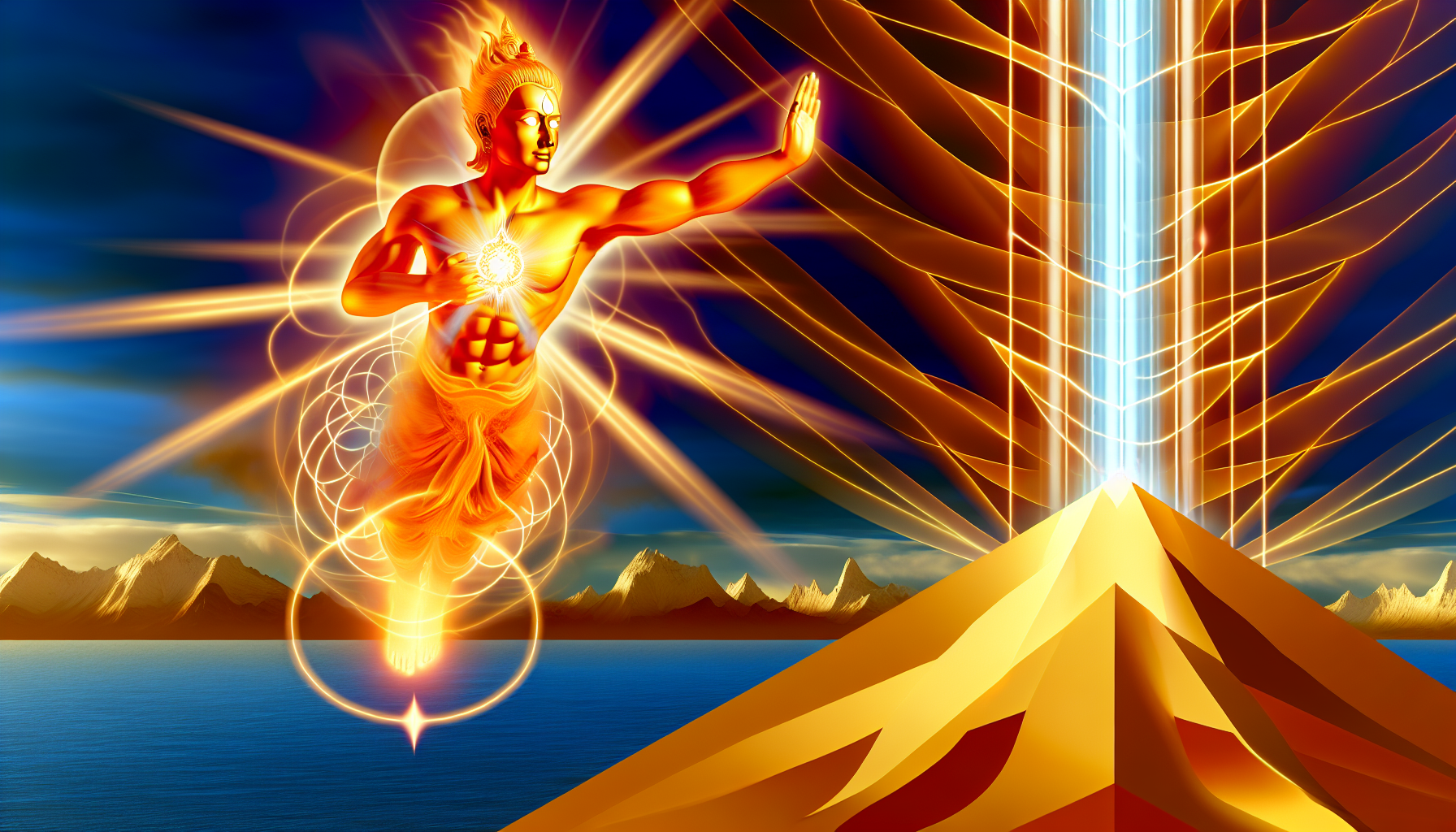
Doha 1: Hanuman's Devotion to Rama's Taskदोहा 1: हनुमान की राम के कार्य के प्रति भक्ति
1. Original Text (Devanagari Script)1. मूल पाठ (देवनागरी लिपि)
हनूमान तेहि परसा कर पुनि कीन्ह प्रनाम।
राम काजु कीन्हें बिनु मोहि कहाँ बिश्राम
2. Simplified Transliteration
Rāma kāju kīnheṁ binu mohi kahāṁ biśrāma.
3. Pronunciation Guide3. उच्चारण मार्गदर्शिका
Audio Recitationऑडियो पाठ:
Listen to AI-generated pronunciation guides in full speed (natural pace) or slow speed (for learning).एआई-जनित उच्चारण मार्गदर्शिका सुनें - पूर्ण गति (सामान्य गति) या धीमी गति (सीखने के लिए)।
Phonetic Breakdown:
Key words and their pronunciation:
परसा - [Phonetic: pa-ra-saa] (emphasis on first syllable)
बिश्राम - [Phonetic: bi-shraam] (emphasis on second syllable)
Hanuman, after touching it, salutes again. Without doing Rama's task, where is my rest?
हनुमान, इसे छूने के बाद, फिर से नमस्कार करते हैं। राम का कार्य किए बिना, मेरा विश्राम कहाँ है?
6. Interpretive Meaning6. व्याख्यात्मक अर्थ
This verse signifies Hanuman's unwavering devotion and commitment to Lord Rama's task, indicating that he finds no rest until the task is accomplished.
यह श्लोक हनुमान की अडिग भक्ति और प्रबु राम के कार्य के प्रति समर्पण को दर्शाता है, जिसका संकेत है कि वह कार्य पूरा होने तक विश्राम नहीं पाते।
7. Story Behind the Verse7. छंद की पृष्ठभूमि की कहानी
This verse is from the Sundar Kand of the Ramayana, where Hanuman is on a mission to find Sita. He has just found her and is preparing to return to Rama. The verse signifies his dedication and devotion to Rama's task.
यह श्लोक रामायण के सुंदरकांड से है, जहां हनुमान सीता को ढूंढने के लिए मिशन पर हैं। उन्होंने अभी-अभी उसे खोज लिया है और वे राम के पास लौटने की तैयारी कर रहे हैं। यह श्लोक उनके राम के कार्य के प्रति समर्पण और भक्ति को दर्शाता है।
9. Practical Application9. व्यावहारिक अनुप्रयोग
Key Teachingमुख्य शिक्षा: The verse teaches us dedication and unwavering commitment to one's duty.यह श्लोक हमें अपने कर्तव्य के प्रति समर्पण और अडिग समर्पण का पाठ पढ़ाता है।
When to Use This Verseइस छंद का उपयोग कब करें: This verse can be recited when seeking strength and determination in fulfilling one's responsibilities.जब किसी को अपनी जिम्मेदारियों को पूरा करने में सामर्थ्य और दृढ़ता की तलाश हो, तब यह श्लोक पढ़ा जा सकता है।
📖 Puranic Context & Stories📖 पौराणिक संदर्भ और कहानियां
Sources:स्रोत:📜 Ananda Ramayan
🌊
Hanuman and Mainakaहनुमान और मैनाक
📖THE STORYकहानी
During his flight to Lanka, Hanuman is offered rest by the mountain Mainaka, who rises from the ocean to provide him a place to rest. However, Hanuman politely declines, stating that he cannot rest until he completes Lord Rama's task.
लंका की ओर उड़ान भरते समय, समुद्र से मैनाक पर्वत उठकर हनुमान को विश्राम के लिए स्थान प्रदान करता है। हनुमान विनम्रता से मना कर देते हैं, यह कहते हुए कि जब तक वह भगवान राम का कार्य पूरा नहीं कर लेते, तब तक वह विश्राम नहीं कर सकते।
💡WHY THIS MATTERSयह क्यों महत्वपूर्ण है
This story highlights Hanuman's unwavering devotion and commitment to Lord Rama's mission. It symbolizes the ideal of selfless service and dedication to one's duty.
यह कहानी हनुमान की भगवान राम के मिशन के प्रति अटूट भक्ति और प्रतिबद्धता को दर्शाती है। यह निःस्वार्थ सेवा और कर्तव्य के प्रति समर्पण के आदर्श का प्रतीक है।
🎯APPLY THIS TEACHINGइस शिक्षा को लागू करें
Hanuman's refusal to rest until completing his task teaches us the importance of dedication and perseverance in our own duties and responsibilities.
हनुमान का अपने कार्य को पूरा करने से पहले विश्राम न करने का निर्णय हमें अपने कर्तव्यों और जिम्मेदारियों में समर्पण और दृढ़ता के महत्व को सिखाता है।